
Why Your Workplace Needs Female Leadership
The case for gender diversity in leadership is stronger than ever. Research from Lean In’s Women in the Workplace report shows that women managers are not only performing at the same level as men — they’re often doing more to support wellbeing and drive inclusion.

In fact, women leaders are:
2x more likely to take on DEI work
More engaged in supporting their team’s mental health
And yet, structural barriers persist. Despite making up nearly half the workforce, women hold just 21% of C-suite roles in the US. In the UK, the story isn’t much better. And for women of colour, the numbers are even more stark — less than 1% of Fortune 500 CEOs are women from minority backgrounds.
In this article, we explore the root causes of gender bias in the workplace — and how organisations can take action to support women to lead and thrive.
Understanding Gender Bias at Work

Even as representation improves, many workplaces still operate through systems that favour traditional (often masculine) models of leadership. Gender bias — often unconscious — shows up in who gets hired, promoted, mentored, and heard.
Here’s how it manifests:
Promotion gaps: Women are 14% less likely to be promoted each year, despite equal or higher performance ratings.
Imposter syndrome: 75% of senior women report feeling like they don’t belong — often fuelled by lack of representation and systemic bias.
Microaggressions: Women leaders are more likely to be interrupted, questioned in their area of expertise, or criticised for emotional expression.
Hiring discrimination: Mothers and women of child-bearing age are less likely to be called back for jobs — even with identical CVs to men.
These patterns don’t reflect a lack of ability or ambition — they reflect a need to redesign our systems.
From Fixing Women to Fixing Workplaces
Too often, solutions to gender inequality focus on changing women — telling them to be more confident, more assertive, or more resilient. But the real issue isn’t individual — it’s structural.
A viral Harvard Business Review article titled Stop Telling Women They Have Imposter Syndrome hit the nail on the head: “It isn’t confidence women lack, it’s fair treatment.”
The truth is:

Women are asking for pay rises just as often as men — they’re just not receiving them at the same rate.
Challenging tasks are more often offered to male employees — despite equal desire from women to take them on.
Women don’t need to change who they are. Workplaces need to change how they operate.
6 Ways to Champion Women in Your Organisation
1. Redefine What Good Leadership Looks Like
Leadership shouldn’t be one-size-fits-all. Embracing different styles — including empathy, curiosity, and collaboration — creates space for more people to lead authentically.
At Circl, we believe leadership is a skill, not a status — and that diverse voices build better leaders. That’s why our programmes help professionals lead with coaching skills, not control.
2. Rethink Your Hiring Process
Bias can enter the hiring process at every stage. To attract and support women:
Review job descriptions for gendered language (e.g., “aggressive”, “dominant”)
Anonymise CVs where possible
Diversify your interview panels
Track gender outcomes at every stage
Small tweaks can lead to more balanced hiring decisions — and a more inclusive candidate experience.
3. Build Inclusive Workplace Culture
Culture happens in the small moments — and inclusion has to be part of that fabric.
Think about:

Where informal networking happens (bars, golf days?)
How mentorship and sponsorship is allocated
Whether team-building activities feel accessible to everyone
A workplace that feels inclusive in practice, not just in policy, is one where women can truly thrive.
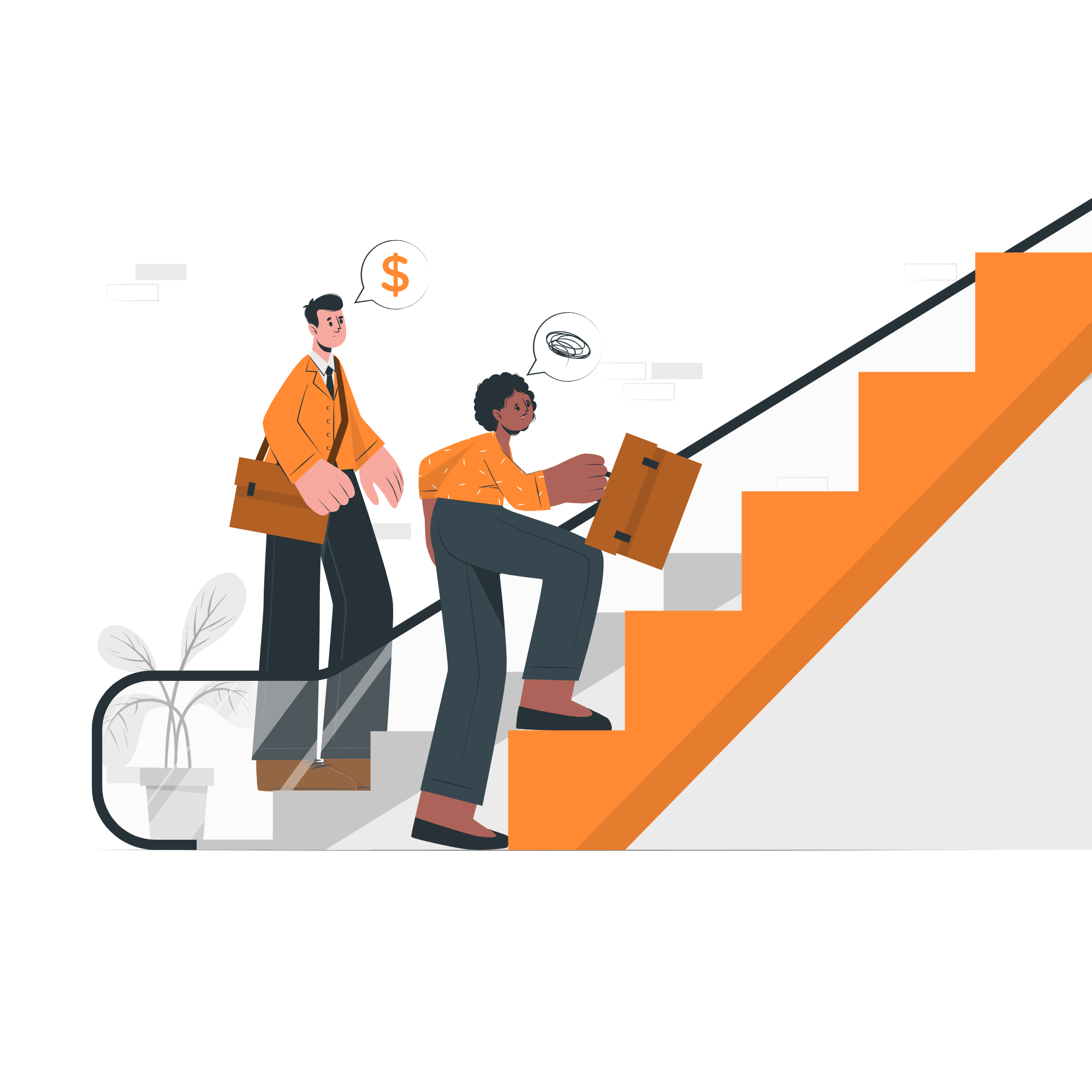
4. Fix the “Broken Rung”
According to Lean In and McKinsey, women lose out at the first big step: from entry-level to manager. If they miss that early promotion, it’s harder to catch up later.
To change this:
Make performance reviews more equitable
Provide clear criteria for progression
Track promotions by gender and race
If you’re not measuring it, you can’t change it.
5. Apply an Intersectional Lens
Not all women face the same barriers. For women of colour, the challenges are often compounded by racism and bias.
Consider this:
Between entry-level and the C-suite, the representation of women of colour drops by over 75%
Black women are more likely to be left out of networks, denied feedback, and overlooked for leadership roles
Track data by gender and ethnicity, and support mentorship programmes that connect leaders across backgrounds. Representation and sponsorship go hand in hand.
6. Address Burnout and Embrace Flexibility
Since the pandemic, burnout has hit women especially hard. Between 2020 and 2021, the burnout gap between men and women nearly doubled.
Women — particularly working mothers — are more likely to be juggling care responsibilities alongside work. Flexible working, clear boundaries, and real wellbeing support aren’t “nice to have” — they’re essential to retaining and advancing women.
The Role of Inclusive Leadership
At Circl, we believe inclusive leadership is the foundation for lasting change. It’s about:
Listening actively
Asking better questions
Valuing different perspectives
Building psychological safety
The Circl Programme pairs professionals with underrepresented young adults in a unique coaching exchange. It’s a hands-on way to build inclusive leadership skills and invest in the next generation of leaders.
👉 Want to build a more inclusive leadership culture? Get in touch to learn how we can support your team.